
A catechist is not simply a person who teaches a religion class. A catechist is a person called, prepared, formed, and sent by the Church to serve and nurture God’s people in faith (Catechetical Directory of the UGCC, §85). At the heart of this vocation is a personal encounter with Christ and a desire to help others encounter Him as well.
The catechist does not speak merely on his or her own behalf, but serves as a witness of the faith of the Church. Jesus Christ Himself is the first Catechist of the Kingdom of God. He proclaimed the Good News to everyone without exception – adults and children, the sick and the healthy, the rich and the poor, men and women. He taught, guided, forgave, encouraged, and welcomed. Before returning to the Father, Jesus entrusted this mission to His disciples:
“Go, therefore, and make disciples of all nations, baptizing them in the name of the Father and of the Son and of the Holy Spirit, teaching them to observe all that I have commanded you” (Mt. 28:19–20).
The disciples were sent to proclaim what they had heard, seen, experienced, and come to know. This mission continues in the Church today, guided by the Holy Spirit, the promised Comforter (Jn. 16:5–15).
St. John Paul II, in his apostolic exhortation On Catechesis in Our Time (Catechesi Tradendae), reminds us that the Holy Spirit is the principal Catechist (§72). He is the “interior Teacher” and Comforter of those who grow in the Lord. He is the principal source of inspiration for the work of catechesis and the Teacher of those who carry it out.
For this reason, the catechist’s ministry begins not with a lesson plan, but with the catechist’s own relationship with God. The catechist is called to be a person devoted to God, filled with zeal for His glory and for the salvation of souls, and filled with the Spirit of Christ. Metropolitan Andrey Sheptytsky emphasized that the catechist must possess a deep religious conviction and a profound understanding of the holiness and importance of this vocation (Rules for Catechists).
A catechist must therefore be faithful to the Church and her teaching, live a life rooted in faith, and actively participate in the liturgical life of the Church, especially in the Holy Eucharist (Regulations on Appointment to and Dismissal from Catechetical Ministry, §2).
The vocation of the catechist must be nourished by prayer. A catechist needs to recognize the importance of this calling and continually seek God’s grace for both personal life and ministry. Prayer upon the lips and sacrificial love in the heart should accompany the catechist throughout the journey.
The Catechist as Witness
Perhaps the most powerful lesson a catechist gives is not spoken at all.
Children learn not only from what we teach them but from who we are. They “read” more from the catechist than from the catechism, because “words teach, but example inspires.” A catechist therefore bears witness to God through his or her life. It is not enough to know about Christ; the catechist is called to live with Christ and in Christ.
This witness begins at the heart of the Church’s sacramental life. A catechist is called to remain closely united with Christ in the Holy Eucharist and to cultivate a deep devotion to the Most Holy Mother of God, who is both Mother and model for every catechist.
St. Augustine reminds us that Mary was not only the Mother of our Teacher but also His disciple. When she found the twelve-year-old Jesus in the Temple, she received His teaching. St. Luke tells us that Mary “kept all these things in her heart.”
For this reason, Metropolitan Andrey Sheptytsky emphasized the profound importance of the Holy Eucharist and a deep love for the Blessed Virgin Mary, both for the catechist and for those entrusted to his or her care.
Nurturing a Living Faith
The first task of the catechist is to nurture a living faith in the hearts of students.
This is accomplished in the way Jesus Himself taught – through gentleness, tenderness, patience, and love. Children need to know that they are loved. They need to experience the faith not simply as a collection of teachings, but as a relationship with the living God.
This requires the catechist to know the children entrusted to his or her care and to recognize that each child is unique. The catechist must choose language, examples, activities, and approaches appropriate to the child’s age and personal development.
The Christian faith must be presented in a way that is accessible, meaningful, and attractive.
For preschool children, this may mean presenting the faith simply and concretely. Older children need opportunities to learn how to love Christ and bear witness to Him within the environments where they live. Adolescents, in particular, need to encounter Jesus as a Friend and discover that He desires a personal relationship with them.
This is the beginning of authentic formation in faith.
The catechist’s love for children must also be balanced and respectful. True love does not prevent children from developing character, responsibility, discipline, and a sense of duty. A catechist does not merely teach; a catechist forms and accompanies.
The catechist is therefore more than a teacher of religion. He or she is a pastoral presence who helps young people develop positive qualities, strengthen their will, discover their gifts, and grow into mature people capable of facing the challenges of life with faith and confidence.
Teaching Children to Pray
To proclaim God is to lead a person toward communion with Him. This is why teaching children to pray is at the heart of catechesis.
Prayer is faith in action. It is an expression of trust in God and the joy of encountering Him. The task of the catechist is not simply to teach children prayers to memorize, but to help them discover prayer as a living relationship with God.
Personal prayer and liturgical prayer complement one another. The catechist’s own participation in the liturgical life of the Church, and his or her love for the Church, become a living lesson for students.
As Metropolitan Andrey Sheptytsky wrote, liturgical prayer is a model of the relationship between a person and God and therefore nourishment for a life of devotion.
Children need to see that prayer is not simply something we do during catechism class. It is how Christians live.
The Cross and the Life of the Catechist
The life of Jesus is permeated by sacrificial love and service to others. Christ did not save the world through beautiful words alone, but through His suffering and death.
He shows us the way to the Resurrection – the way of the Cross. The Cross reveals the depth of God’s boundless love for each one of us.
The catechist, too, is called to a life of self-giving love. Catechetical ministry is not always easy. It requires patience, perseverance, preparation, prayer, and sacrifice. There may be moments of discouragement, fatigue, or uncertainty. Yet when we unite our own struggles with Christ, we discover that even our difficulties can become an opportunity to remain close to Him.
As Archbishop Ihor Vozniak of Lviv has written, “when we unite ourselves with Christ in suffering, we unite ourselves with Him in His love and can help children experience their own difficulties with the Lord.” (A Word to Catechists, 2003)
The Catechist: A Teacher and an Artist
Metropolitan Andrey Sheptytsky reminded catechists that knowledge and methodology are essential. A catechist must know the principles of catechesis and methodology and know how to apply them to real life. But knowledge alone is not enough.
“The catechist must put his whole soul and heart into catechism. The teaching of catechism cannot be dead or bureaucratic in his hands. It must be a work of art.”
These words offer a beautiful image of the catechist’s vocation.
Every catechist is, in a sense, an artist. The “material” entrusted to the catechist is not simply information, but the hearts and lives of children and young people. The catechist takes the teachings of the Church and, through prayer, creativity, love, wisdom, and personal witness, helps make them understandable and meaningful in the lives of those being formed.
When the catechist truly loves Christ and loves the people entrusted to his or her care, catechesis becomes more than a class. It becomes an encounter.
A Beacon Leading to Christ
The ministry of the catechist in the parish is especially important in our time. The catechist gathers God’s children, helps them become connected to the Church, accompanies them in their growth, forms their character, and helps them discover the image and likeness of Jesus Christ within themselves.
The Church today continues to invest in the formation and development of catechists because catechetical ministry is essential to the life and mission of the Church. The UGCC’s Patriarchal Catechetical Commission identifies catechist formation, catechetical programs, resources, conferences, and new methods of catechesis among its central areas of service.
In Canada, this ministry is also growing through opportunities for catechists to pray together, learn from one another, share experiences, and deepen their spiritual and professional formation. The recent gathering of catechists from all UGCC eparchies in Canada in Saskatoon demonstrated this growing commitment to catechetical ministry and community.
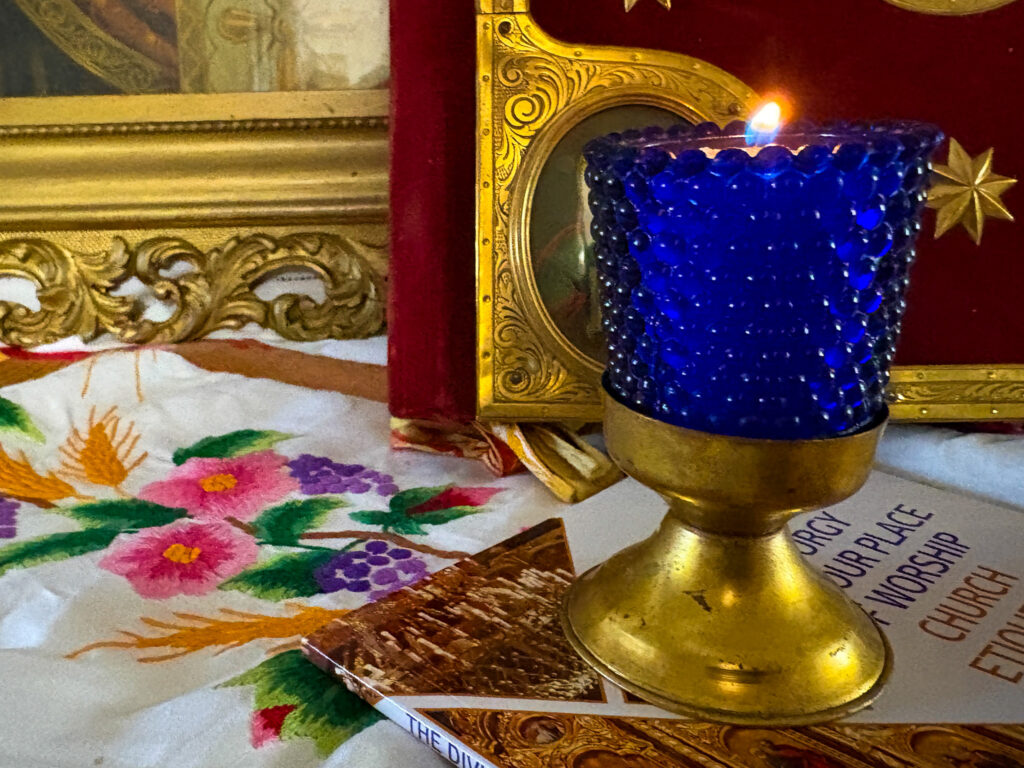
Ultimately, the catechist is called to be a beacon – one who allows the light of Christ to shine through his or her life and ministry. A beacon does not draw attention to itself. It points the way.
And so the catechist, through prayer, knowledge, love, sacrifice, and personal witness, points children and families toward Christ – toward the safe harbor of their true Home, our Heavenly Father.
Катехит — це не просто людина, яка викладає уроки релігії. Катехит — це особа, покликана, підготовлена, сформована та післана Церквою для служіння та виховання у вірі Божого народу (Катехитичний правильник УГКЦ, §85). В основі цього покликання лежить особиста зустріч із Христом і бажання допомогти іншим також зустріти Його.
Катехит говорить не лише від власного імені, але є свідком віри Церкви. Сам Ісус Христос є першим Катехитом Божого Царства. Він звіщав Добру Новину всім без винятку — дорослим і дітям, хворим і здоровим, багатим і бідним, чоловікам і жінкам. Він навчав, провадив, прощав, підтримував і приймав. Перед поверненням до Отця Ісус доручив цю місію своїм учням:
«Тож ідіть і зробіть учнями всі народи, христячи їх в ім’я Отця, і Сина, і Святого Духа; навчаючи їх берегти все, що Я вам заповідав» (Мт. 28:19–20).
Учні були послані звіщати те, що вони чули, бачили, пережили та пізнали. Ця місія продовжується в Церкві й сьогодні під проводом Святого Духа — обіцяного Утішителя (Йо. 16:5–15).
Святий Іван Павло ІІ у своєму апостольському повчанні Catechesi Tradendae (Про катехизацію в наш час) нагадує, що Святий Дух є головним Катехитом (§72). Він є «внутрішнім Учителем» та Утішителем тих, хто зростає в Господі. Він є головним джерелом натхнення для катехитичного служіння та Учителем тих, хто його здійснює.
Тому служіння катехита починається не з плану уроку, а з особистих стосунків самого катехита з Богом. Катехит покликаний бути людиною, посвяченою Богові, сповненою ревності за Його славу та спасіння душ і сповненою Духа Христового. Митрополит Андрей Шептицький наголошував, що катехит повинен мати глибоке релігійне переконання та усвідомлювати святість і важливість цього покликання (Правила для катехитів).
Тому катехит повинен бути вірним Церкві та її навчанню, жити вірою та активно брати участь у літургійному житті Церкви, особливо у Святій Євхаристії (Положення про призначення на катехитичне служіння та звільнення з нього, §2).
Покликання катехита має живитися молитвою. Катехит повинен усвідомлювати важливість свого покликання і постійно просити Божої благодаті для особистого життя та служіння. Молитва на устах і жертовна любов у серці мають супроводжувати катехита протягом усього його служіння.
Катехит як свідок
Можливо, найсильніший урок, який дає катехит, — це той, який не промовляється словами.
Діти навчаються не лише з того, чого ми їх навчаємо, але й з того, ким ми є. Вони «читають» більше з особи катехита, ніж із катехизму, адже «слова навчають, а приклад надихає». Тому катехит своїм життям свідчить про Бога. Недостатньо лише знати про Христа — катехит покликаний жити з Христом і в Христі.
Це свідчення починається в самому серці таїнственного життя Церкви. Катехит покликаний залишатися тісно єднаний із Христом у Святій Євхаристії та плекати глибоку побожність до Пресвятої Богородиці, яка є Матір’ю і взірцем для кожного катехита.
Святий Августин нагадує нам, що Марія була не лише Матір’ю нашого Учителя, але й Його ученицею. Коли вона знайшла дванадцятирічного Ісуса в храмі, то прийняла Його науку. Святий Лука розповідає, що Марія «зберігала всі ці слова у своїм серці».
Тому митрополит Андрей Шептицький наголошував на великому значенні Святої Євхаристії та глибокої любові до Пресвятої Діви Марії — як для самого катехита, так і для тих, хто йому доручений.
Плекання живої віри
Перше завдання катехита — плекати живу віру в серцях учнів.
Це здійснюється так, як навчав Сам Ісус — через лагідність, ніжність, терпеливість і любов. Діти повинні знати, що їх люблять. Вони мають переживати віру не просто як сукупність навчань, але як живі стосунки з Богом.
Це вимагає від катехита знати дітей, довірених його опіці, та розуміти, що кожна дитина є унікальною. Катехит повинен добирати мову, приклади, діяльність і методи відповідно до віку та особистого розвитку дитини.
Християнську віру потрібно представляти доступно, змістовно та привабливо.
Для дітей дошкільного віку це може означати просте й конкретне представлення віри. Старші діти потребують можливості навчитися любити Христа та свідчити про Нього у середовищі, в якому живуть. Підліткам, зокрема, потрібно зустріти Ісуса як Друга та відкрити для себе, що Він прагне особистих стосунків із кожним із них.
Це є початком справжнього формування у вірі.
Любов катехита до дітей також має бути врівноваженою та шанобливою. Справжня любов не перешкоджає дітям розвивати характер, відповідальність, дисципліну та почуття обов’язку. Катехит не лише навчає — він формує та супроводжує.
Тому катехит є більше, ніж учителем релігії. Він є пастирською присутністю, яка допомагає молоді розвивати позитивні якості, зміцнювати волю, відкривати свої дари та зростати у зрілих людей, здатних із вірою та впевненістю зустрічати життєві виклики.
Навчати дітей молитися
Звіщати Бога — означає провадити людину до єдності з Ним. Саме тому навчання дітей молитви є в самому серці катехизації.
Молитва — це віра в дії. Це вияв довіри до Бога та радість зустрічі з Ним. Завдання катехита полягає не лише в тому, щоб навчити дітей молитов для запам’ятовування, але допомогти їм відкрити молитву як живі стосунки з Богом.
Особиста та літургійна молитва доповнюють одна одну. Власна участь катехита в літургійному житті Церкви та його любов до Церкви стають живим уроком для учнів.
Як писав митрополит Андрей Шептицький, літургійна молитва є взірцем стосунків людини з Богом і тому є поживою для побожного життя.
Діти повинні бачити, що молитва — це не просто те, що ми робимо на уроці катехизації. Це спосіб життя християнина.
Хрест і життя катехита
Життя Ісуса пронизане жертовною любов’ю та служінням іншим. Христос спас світ не лише прекрасними словами, але Своїми стражданнями і смертю.
Він показує нам шлях до Воскресіння — шлях Хреста. Хрест відкриває глибину безмежної Божої любові до кожного з нас.
Катехит також покликаний до життя самовідданої любові. Катехитичне служіння не завжди є легким. Воно вимагає терпеливості, наполегливості, підготовки, молитви та жертовності. Бувають моменти розчарування, втоми чи невпевненості. Однак, коли ми єднаємо власні труднощі з Христом, то відкриваємо, що навіть вони можуть стати нагодою залишатися близько до Нього.
Як пише владика Ігор Возьняк, коли ми єднаємо себе з Христом у стражданнях, ми єднаємося з Ним у Його любові та можемо допомогти дітям переживати власні труднощі разом із Господом (Слово до катехитів, 2003).
Катехит: учитель і митець
Митрополит Андрей Шептицький нагадував катехитам, що знання та методика є необхідними. Катехит повинен знати принципи катехизації та методику і вміти застосовувати їх у реальному житті. Але самих знань недостатньо.
«Катехит мусить вложити всю свою душу і серце в катехизацію. Наука катехизму не може бути в його руках мертвою чи бюрократичною. Вона має бути твором мистецтва».
Ці слова дають нам прекрасний образ покликання катехита.
Кожен катехит, у певному сенсі, є митцем. «Матеріалом», довіреним катехитові, є не просто інформація, а серця і життя дітей та молоді. Катехит бере вчення Церкви і через молитву, творчість, любов, мудрість та особисте свідчення допомагає зробити його зрозумілим і значущим у житті тих, хто формується у вірі.
Коли катехит по-справжньому любить Христа і людей, довірених його опіці, катехизація стає чимось більшим, ніж урок. Вона стає зустріччю.
Маяк, що веде до Христа
Служіння катехита на парафії є особливо важливим у наш час. Катехит збирає Божих дітей, допомагає їм єднатися з Церквою, супроводжує їх у зростанні, формує їхній характер і допомагає їм відкривати в собі образ і подобу Ісуса Христа.
Церква сьогодні продовжує інвестувати у формування та розвиток катехитів, оскільки катехитичне служіння є невід’ємною частиною життя та місії Церкви. Патріарша катехитична комісія УГКЦ визначає формацію катехитів, катехитичні програми, ресурси, конференції та нові методи катехизації серед основних напрямів свого служіння.
У Канаді це служіння також розвивається завдяки можливостям для катехитів спільно молитися, навчатися одні в одних, ділитися досвідом та поглиблювати духовну і професійну формацію. Нещодавня зустріч катехитів усіх єпархій УГКЦ у Канаді в Саскатуні засвідчила це зростаюче прагнення до розвитку катехитичного служіння та спільноти.
Зрештою, катехит покликаний бути маяком — тим, через чиє життя і служіння може сяяти світло Христа. Маяк не привертає уваги до себе. Він вказує шлях.
І тому катехит через молитву, знання, любов, жертовність та особисте свідчення вказує дітям і сім’ям на Христа — до безпечної пристані їхнього справжнього Дому, до Небесного Отця.
Submitted by Viktoriia Marko PhD, Director of Blessed Emilian Kowcz Catechetical School at St. George’s Cathedral / Вікторія Марко PhD, директорка катехитичної школи Блаженного Омеляна Ковча